
From a rain-soaked runway in Brooklyn to an unexpected take on bridalwear, international fashion designer Justin Haynes opens up about the clients inspiring his collections, his growing cultural influences, and why learning to say no has become an important part of his creative journey.
By Erin Elise Enyinda | Live Affirmed Magazine
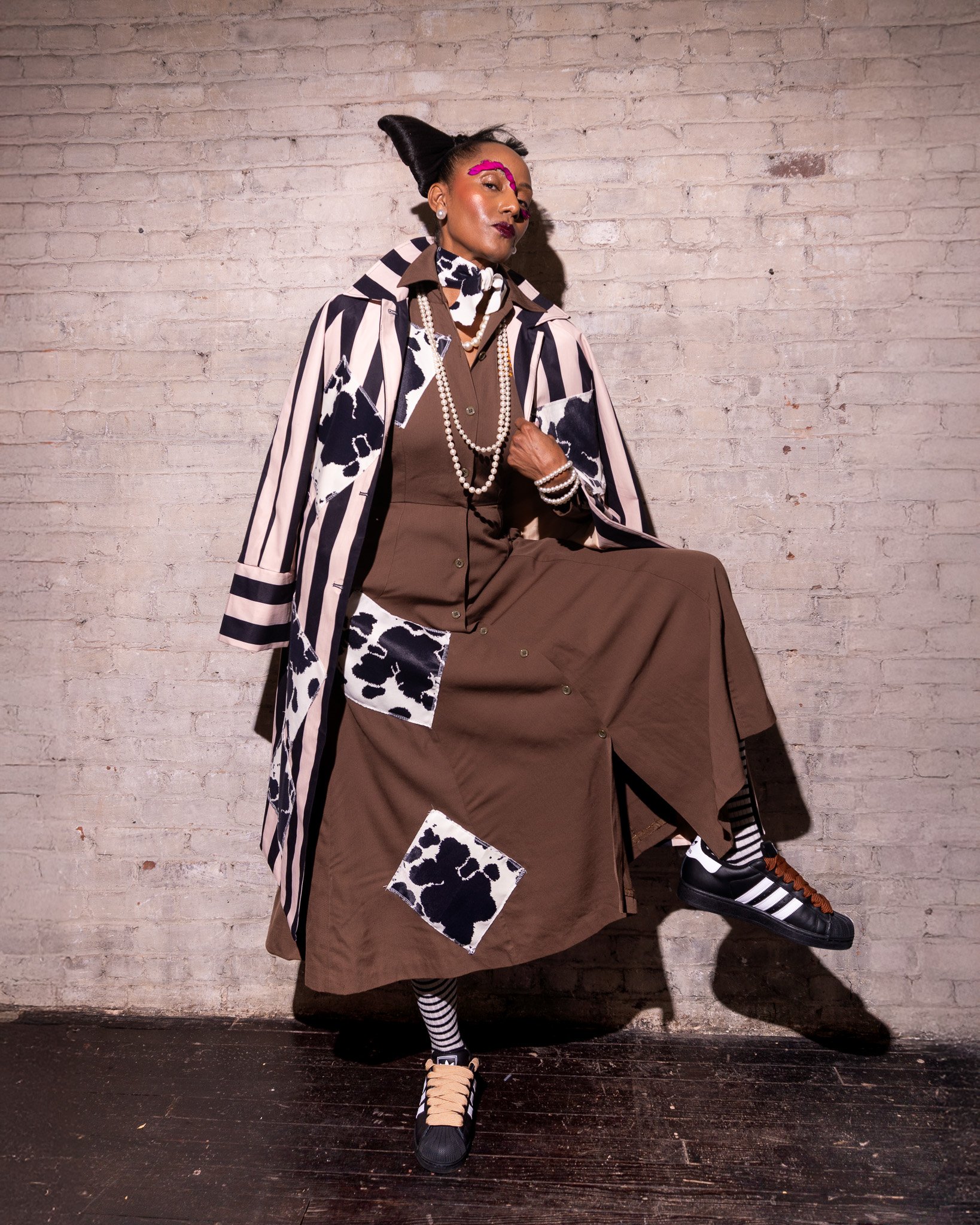
Photo Credit: SnowtasticShots
Imagine shutting down a street in Brooklyn for a fashion show, only for the rain to begin falling just as everything is getting underway.
For some designers, that might be enough to send the entire day into a panic. But Justin Haynes decided to enjoy the experience, whether the weather cooperated or not.
What happened next became one of his favorite fashion moments of the season.
When we reconnected on October 27, the international fashion designer behind JUS10H had quite a bit to share. From New York Fashion Week to Brooklyn × Japan and an unconventional bridal collection, Haynes had been moving between presentations while continuing to explore new creative territory.
He was also preparing to celebrate his birthday with another runway show in his hometown of Springfield, Massachusetts, followed by recognition from the Greater Springfield NAACP.
Having spoken with Haynes in September about his international work, mentorship, and his commitment to Springfield, I was looking forward to hearing what had unfolded since our last conversation.
This time, we got into the clothes, the people inspiring them, and some of the moments that have challenged him along the way.
And as we talked, I found that behind his busy schedule was a designer who was learning something equally important: the value of knowing when to say no.
Brooklyn, Japan, and the Beauty of Taking a Chance
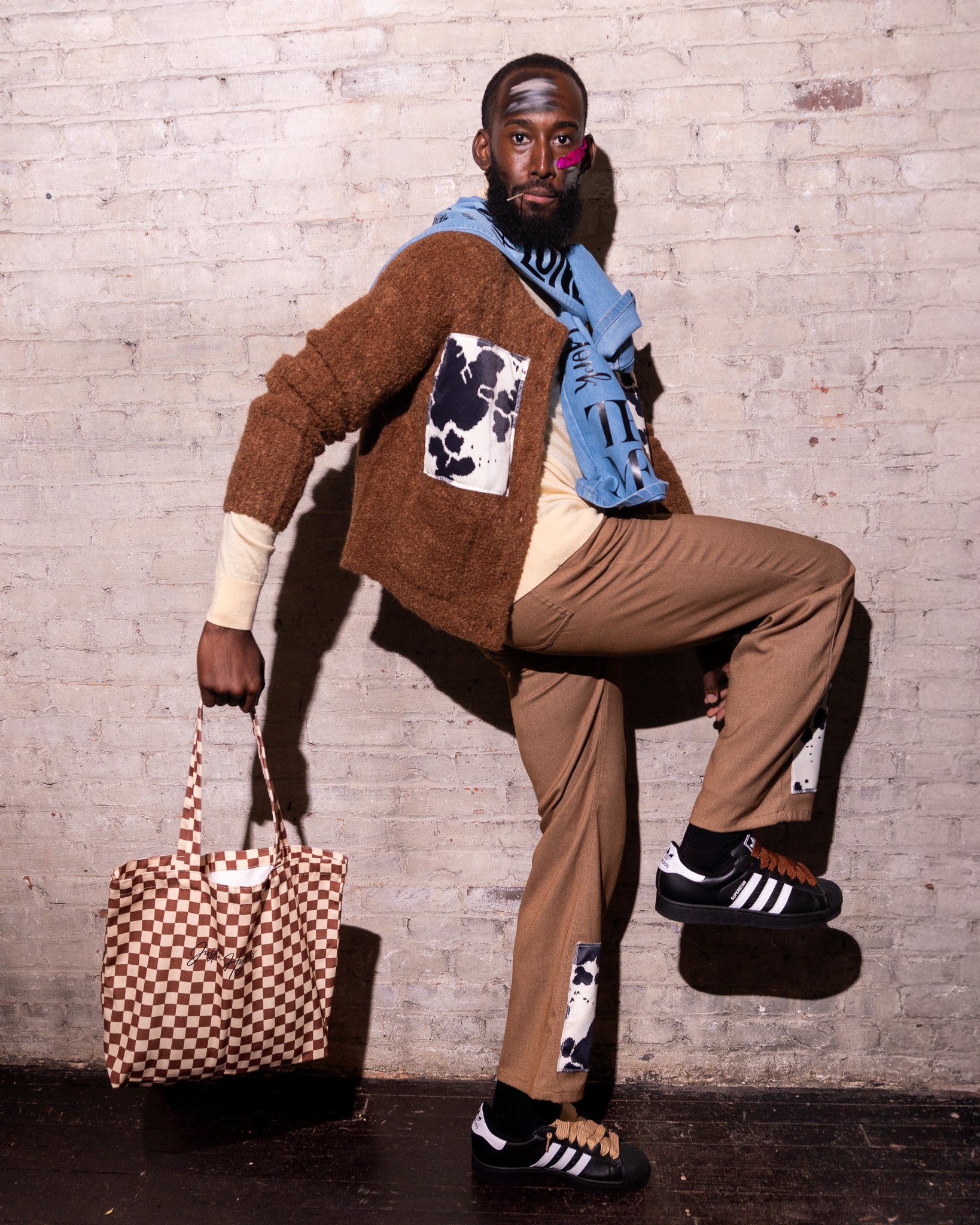
Photo Credit: SnowtasticShots
Haynes' participation in Brooklyn × Japan, part of Fashion Week Brooklyn, had been years in the making.
He explained that he'd maintained a relationship with producer Rick David, who had previously invited him to participate. The timing hadn't worked out until this season, when his growing connection to Japanese fashion presented an opportunity to finally join the showcase.
Even then, Haynes wasn't expecting anything particularly grand.
"This is something new. Let's just do it," he recalled thinking.
Rather than approaching the presentation with the pressure of producing another major runway event, he wanted to enjoy himself, support Fashion Week Brooklyn, and create something memorable.
His design direction was straightforward: three colors, layered silhouettes, and cowhide.
"I needed this to be a collection that was simple, but it stood out," he explained.
Now, the cowhide immediately caught my attention.
I've always loved the natural beauty of cow print. It doesn't need much to make an impression. It can complement so many different looks, and when styled beautifully, it can be incredibly luxurious.
Haynes understood that simplicity. Rather than overpowering the material, he allowed the cowhide and layering to carry the collection.
And because the presentation was outdoors in October, layering was particularly important.
But the weather presented an unexpected challenge.
The street had been shut down for the show when the rain began. Instead of allowing it to ruin the experience, Haynes decided to make the best of it.
He even told his mother, "We're just going to have fun today."
And apparently, Brooklyn had the same idea.
Hundreds of attendees remained outside despite the rain. People watched from their stoops, others gathered in chairs, and photographers lined the pit waiting to capture the collection.
I could only imagine the sight.
Fashion spilling into the neighborhood, people gathering in the rain, and a designer who initially thought he was participating in a relatively small presentation discovering just how much enthusiasm there was for his work.
"Sometimes you don't think things are meant to be, but it is meant to be," Haynes reflected.
When I asked about the response, especially from an audience outside his usual fashion-week circles, Haynes described people approaching him afterward to discuss his use of color and layering.
Attendees were particularly impressed that he'd managed to create such visual interest using only three colors.
The reception went beyond polite compliments. People came in from the street hoping to shake his hand and share their excitement about the designs.
"I couldn't have asked for a better day, to be honest," he told me.
And what began as an opportunity he nearly overlooked became one of his most memorable presentations.
Haynes was also pleasantly surprised by the Japanese cultural presence in Brooklyn, particularly in Park Slope, where the event took place.
After experiencing the audience and the atmosphere firsthand, he isn't ruling out a return.
"I think I would definitely embrace Brooklyn a little bit more."
I love that the experience wasn't necessarily about the biggest venue or the grandest production. Sometimes an unexpected setting, a beautiful collection, and an audience genuinely excited about fashion can make for an extraordinary show.
And for Haynes, taking that chance proved worthwhile.
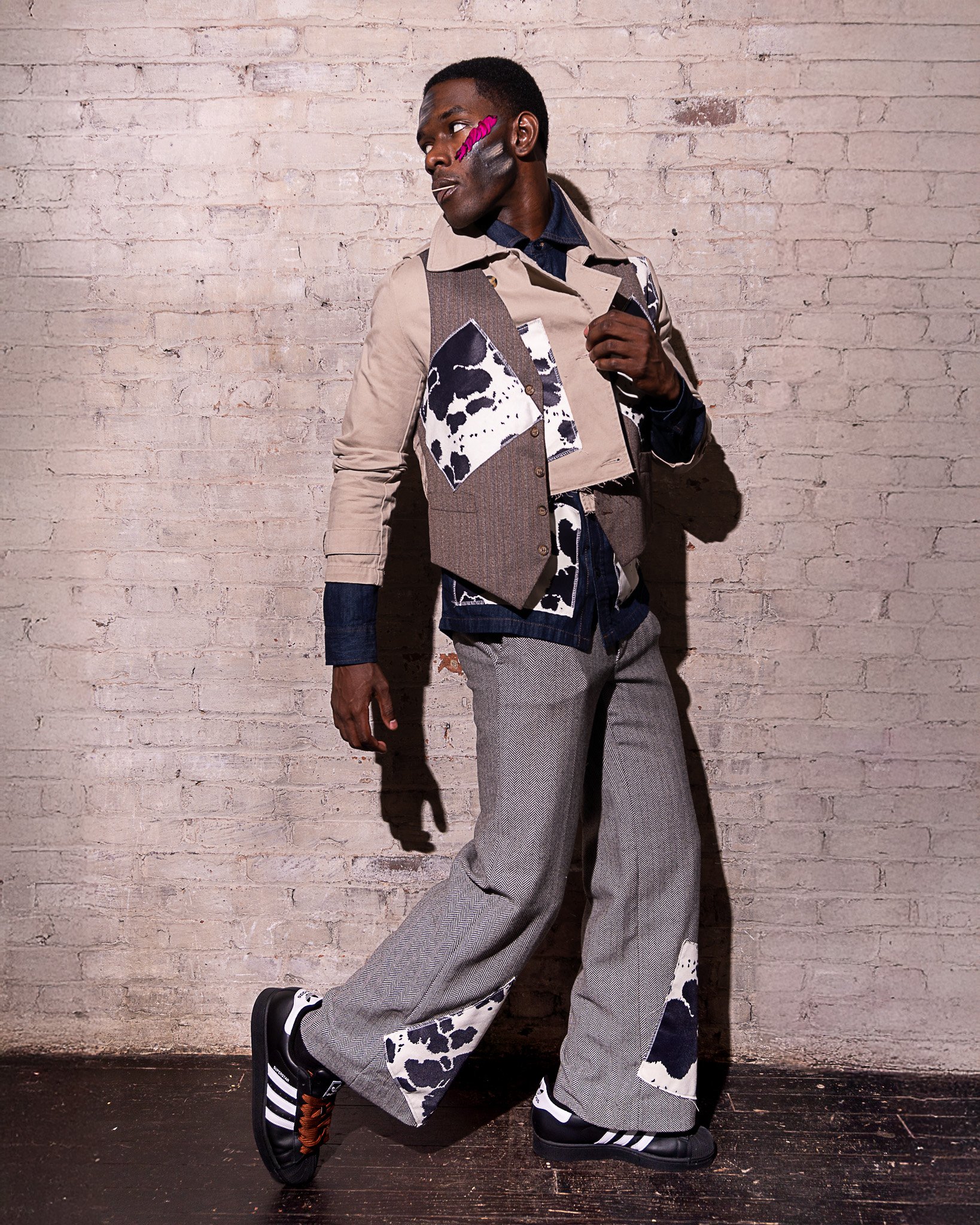
Photo Credit: SnowtasticShots
Bridal Fashion Doesn't End at the Altar
Now, this next collection was one I was particularly interested in discussing.
During New York Bridal Fashion Week, Haynes introduced an interchangeable bridal travel capsule collection.
Yes, bridal travel.
And once he explained the inspiration, the concept made perfect sense.
It began with a client who was trying to decide whether to spend more money on a wedding dress or purchase clothing for her upcoming vacation.
Haynes saw an opportunity to approach things differently.
Rather than focusing on another dress, he suggested creating a small collection of interchangeable pieces that she and her husband could both enjoy during their travels.
The result was a capsule wardrobe that allowed the couple to share certain garments, including jackets, while creating different looks.
The pieces also made packing simpler without sacrificing style.
It was the kind of practical creativity I appreciate.
After all, anyone who's planned a wedding knows how much time goes into finding the perfect gown, choosing a reception outfit, and preparing for the big day.
But once it's over, there's still the honeymoon, the travel days, the dinner reservations, and all those other moments when you want to look beautiful without starting an entirely new wardrobe search.
Haynes was thinking about that next chapter.
"I wanted to kind of break the mold of bridal just being about bridal gowns," he explained. "People have to travel after that."
And I couldn't agree more.
During our conversation, I shared how familiar that experience felt. After putting so much energy into a wedding, the last thing you want is another round of wondering what to wear to dinner or what to pack for the plane.
An interchangeable collection designed specifically for those moments is a refreshing approach.
And the response from the client?
"She absolutely loved it," Haynes told me.
Her husband enjoyed the collection as well, although Haynes admitted he'd initially been somewhat skeptical.
When he eventually tried on one of the jackets, however, the reaction from others helped him appreciate how differently the garment could be worn.
That experience introduced another interesting element to the collection: its non-gendered design.
Haynes wasn't creating garments exclusively for the bride or groom. He was exploring pieces that could be styled by either person.
And while the concept certainly challenged traditional ideas about bridal fashion, Haynes wasn't surprised that everyone didn't immediately understand it.
He acknowledged that the presentation generated some controversy.
Some people wondered what he was doing. Others loved the direction.
But Haynes is interested in continuing to explore the possibilities.
"There's enough bridal gowns out there," he said. "We need to see the next phase of what bridal really is."
And perhaps that's what makes the collection so appealing. He's not suggesting that the wedding gown is no longer important. He's simply reminding us that the celebration, and the opportunity to dress beautifully, doesn't end when the ceremony is over.
Cerulean: A Birthday, a Runway, and a Love for Blue
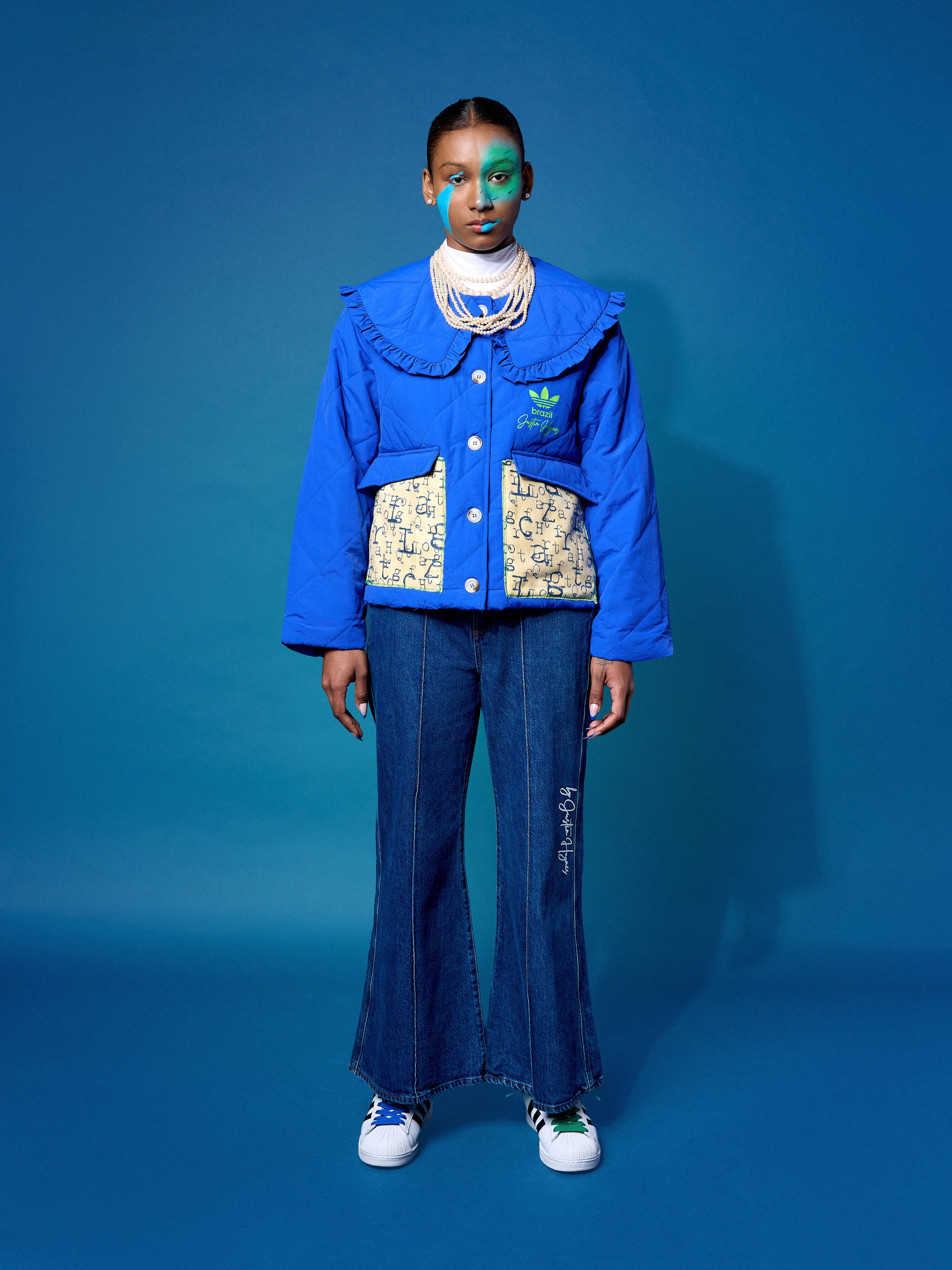
Photo Credit: Scott Parker
By the time our conversation turned to Cerulean, Haynes was just one day away from his birthday.
And instead of planning a quiet celebration, he was preparing to present another collection.
Naturally, I had to ask about that.
Haynes revealed that he's been producing birthday fashion shows for approximately six years.
"Don't ask me why. I'm still trying to figure that out," he joked.
Apparently, his clients have come to look forward to the annual presentations, which offer an opportunity to celebrate with him while purchasing pieces from his newest collection.
And for a designer who enjoys creating, I suppose there's something fitting about marking another year of life through fashion.
This year's collection was Cerulean.
Haynes explained that blue is his favorite color, and the collection's name was inspired in part by the memorable discussion of the shade in The Devil Wears Prada.
He has made a tradition of returning to a familiar color palette for his birthday presentations, interpreting it differently each year.
For this collection, blue would take center stage, with Kelly green and tan providing additional contrast.
But what really interested me was the clothing itself.
Haynes promised a runway filled with coats and trenches, two categories that have become signatures of his work.
"Everybody knows me for a good trench and they know me for a good jacket," he said.
And he's right.
His appreciation for outerwear has been evident throughout his collections, where familiar garments are often reimagined through different fabrics, proportions, and cultural references.
With Cerulean, he was taking that exploration further.
Haynes described kimono-inspired pieces transformed into coats, alongside oversized garments and design influences drawn from Tokyo and West Africa.
The combination immediately sparked my interest.
A beautifully tailored trench carries its own elegance, while a kimono-inspired silhouette offers something different through its shape and proportions.
And when you begin incorporating oversized designs, there's room to create an entirely new expression of both.
But there was a reason Haynes had become increasingly interested in those silhouettes.
And it began with another client.
Fashion That Makes Room for Everyone
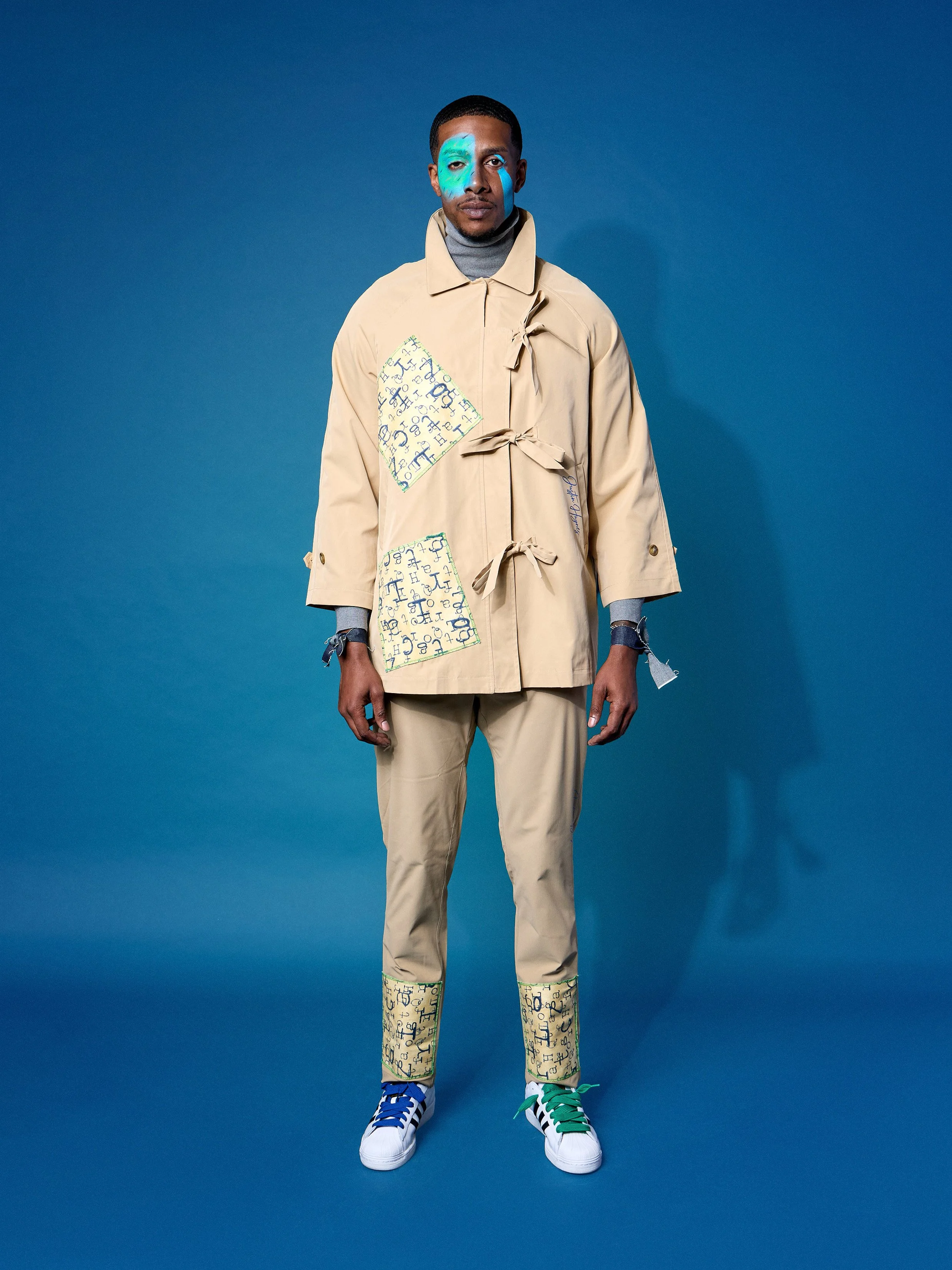
Photo Credit: Scott Parker
As we discussed his growing emphasis on non-gendered clothing, I asked Haynes whether there had been a particular experience that influenced the change.
There had.
Haynes recalled a male customer who admired several jackets but felt uncomfortable with how feminine they appeared when he tried them on.
The client liked the style, but the shape of the shoulders wasn't quite right for him.
Haynes remembered how disappointed the customer seemed.
That moment stayed with him.
When he began developing his Brooklyn collection, he decided to reconsider the silhouettes, particularly how garments could appeal to clients without appearing exclusively masculine or feminine.
"They can't always look feminine and they can't always look masculine," he explained.
He wanted to find a balance that would allow more people to enjoy the clothing without feeling that they were wearing something intended for someone else.
And that decision has become part of his larger design philosophy.
"I'm really passionate now about keeping all of my collections non-gendered," Haynes shared.
From coats and jackets to pants and shirts, he wants to explore garments that offer greater flexibility for different clients.
"I want all of my clients to feel inclusive, not exclusive."
What I found particularly meaningful was that the idea wasn't born out of a desire to follow a trend.
It came from listening to someone who genuinely loved his work but didn't feel comfortable wearing it.
And isn't that part of what thoughtful design should do?
Beautiful clothing should make people feel confident. It should offer possibilities, not leave someone feeling that the garment they admire simply wasn't meant for them.
Haynes took that experience and allowed it to influence how he approached his next collection.
It's a wonderful example of how a designer can continue growing by paying attention to the people wearing the clothes.
From Tokyo to West Africa: A Growing Cultural Conversation
Video Credit: Scott Parker
Our discussion of Cerulean also brought us back to Haynes' international fashion relationships.
His connection to Japanese fashion has continued to influence his collections and creative opportunities, but he's also looking toward a greater incorporation of West African design.
I asked whether Cerulean would offer a preview of what we might expect in 2027.
Haynes didn't hesitate.
"Slight preview," he said.
He explained that West African influences would become much more prominent in the coming year.
But what interested me most was why he felt it was important.
Haynes doesn't want his brand to be defined exclusively by its American roots.
He's interested in creating a fashion identity that reflects the different communities, influences, and relationships shaping his work.
"I just can't be this American brand," he explained. "I just want to be labeled as a brand that houses everybody."
It was an interesting statement, particularly considering how much of his career has centered on connecting fashion communities.
From Springfield and New York to Tokyo and West Africa, Haynes has continued building relationships that extend beyond individual presentations.
And as those connections grow, so does the opportunity for them to influence his work.
What I'm especially interested in seeing is how he translates those cultural elements into his own design language.
His appreciation for quality fabrics, layered silhouettes, and unexpected combinations has already given his collections a recognizable character.
With more West African influences planned for 2027, Cerulean has an opportunity to develop that identity even further.
But before getting too far into the next year, Haynes had two very special occasions to celebrate in Springfield.
Springfield Celebrates Its Own
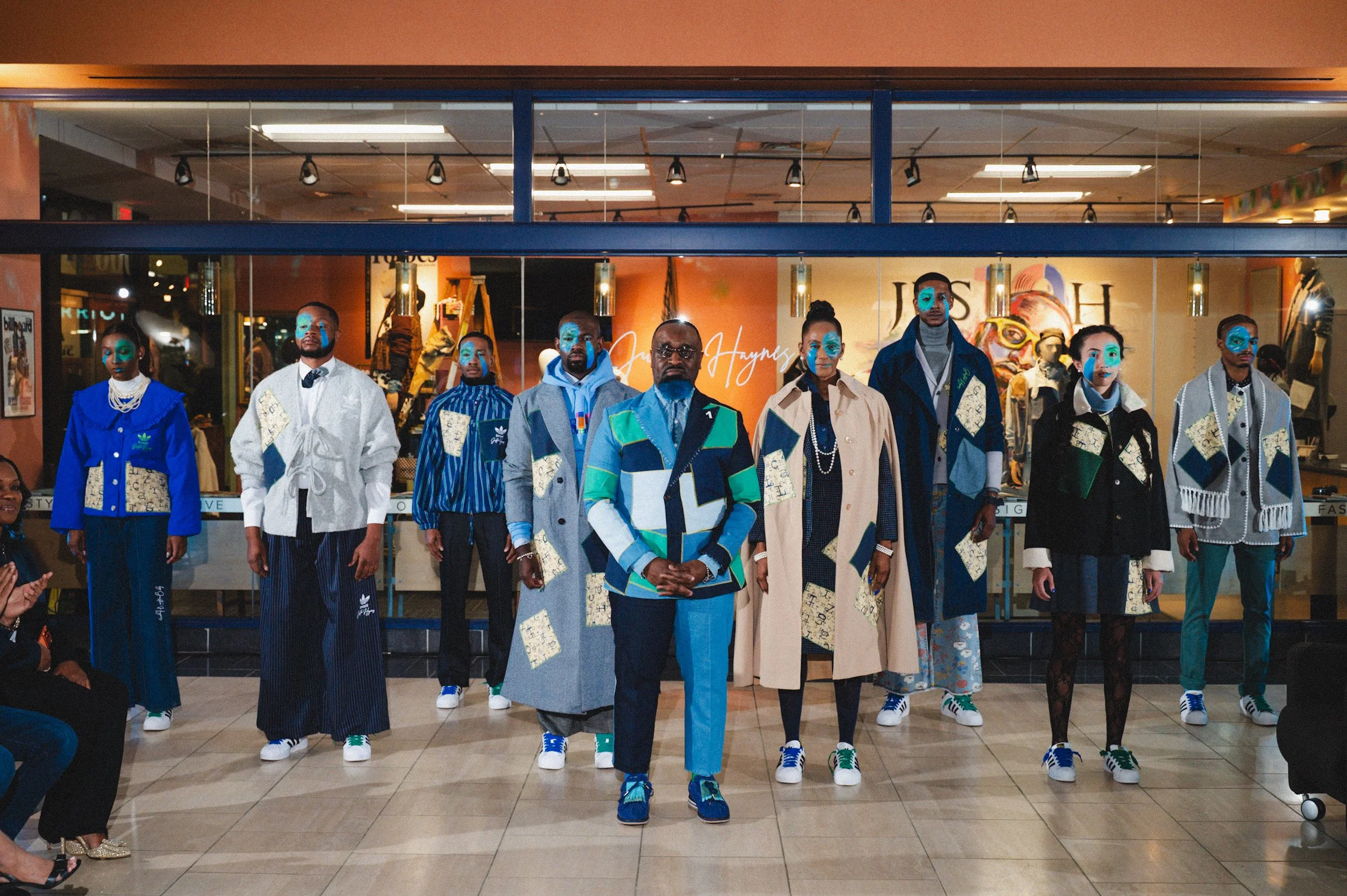
Photo Credit: @stevesnaps
One thing I've appreciated throughout my conversations with Haynes is that Springfield remains central to his story, regardless of how far his work takes him.
During our September interview, he talked about returning home for client fittings and remaining accessible despite his international commitments.
He also shared the significance of presenting his Court Collection at the Naismith Basketball Hall of Fame, using a space that holds an important place in Springfield's history.
Now, he was returning with Cerulean for his birthday.
But the runway presentation wasn't the only reason this visit was special.
On October 29, Haynes was scheduled to receive the Greater Springfield NAACP President's Award.
When I asked about the recognition, I learned that it had come as a complete surprise.
Haynes explained that when the organization first contacted him, he thought they wanted him to speak with young people.
"I thought they wanted me to actually speak to some young people," he recalled.
He hadn't realized he was being considered for an award.
And when he discovered the reason for the invitation, the significance was considerable.
"I waited almost 17 years to get this type of recognition in my hometown," Haynes shared.
That distinction is important.
After years of creating, developing his career, and establishing relationships across international fashion communities, this particular recognition was coming from Springfield.
"It's pretty big for me," he admitted.
And with the award scheduled for the day after his birthday, Haynes appreciated the timing.
"I think it's kind of meant to happen."
For a designer who has remained committed to his hometown while expanding his work internationally, the recognition represented a particularly meaningful milestone.
Learning When to Say No
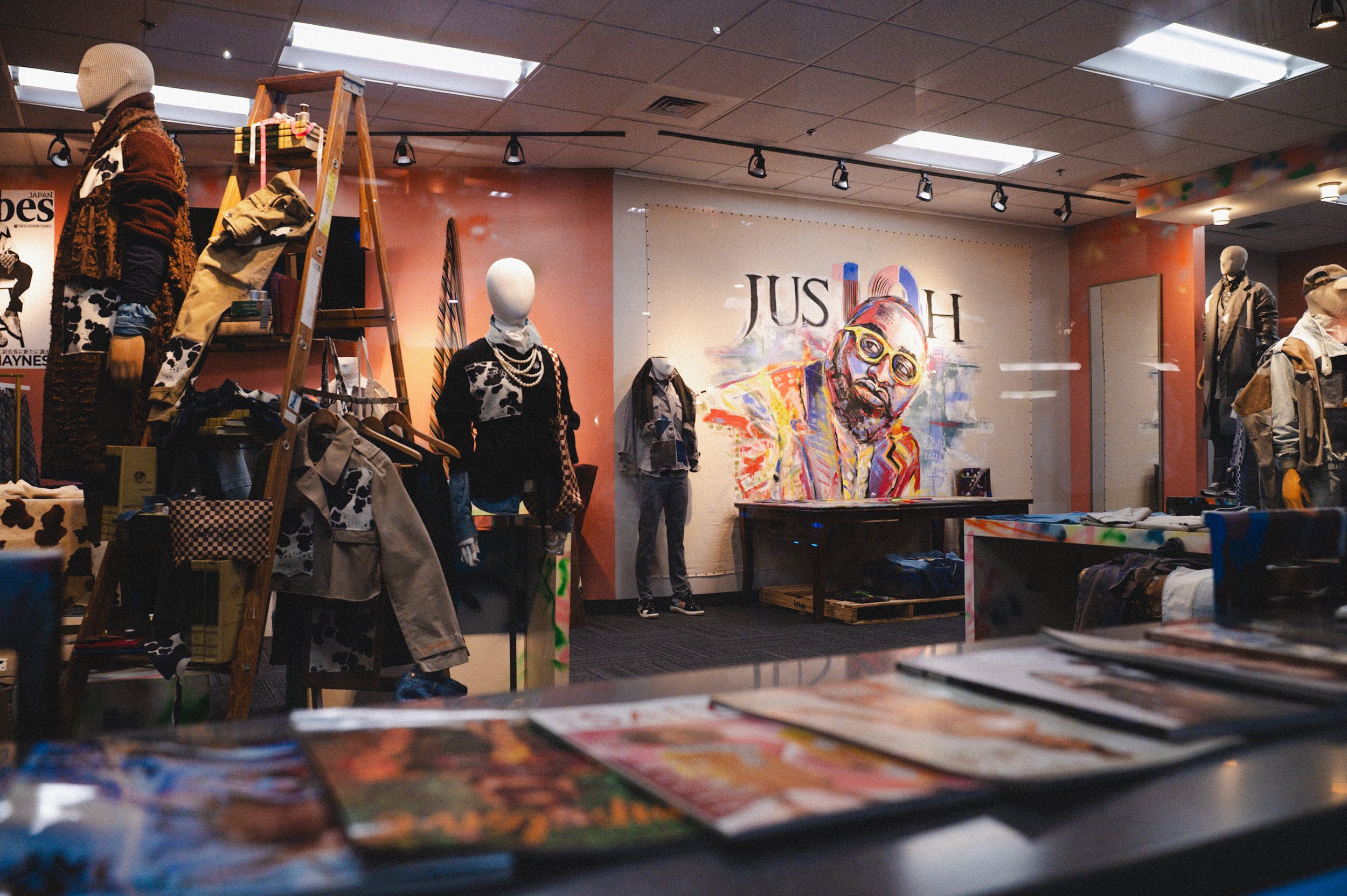
Photo Credit: @stevesnaps
As the year began drawing to a close, I wanted to hear what Haynes was most grateful for.
After all, we'd just discussed a season filled with fashion presentations, international opportunities, new collections, and personal milestones.
Surely there had been moments when the schedule felt overwhelming.
Haynes acknowledged that there had been.
But his gratitude wasn't centered on the number of shows he'd completed or the attention his collections had received.
It was about the people who depended on him.
Despite his exhaustion and demanding schedule, he'd managed to keep his commitments.
Prom clients were taken care of. Weddings were completed on time. The responsibilities he'd accepted hadn't been neglected.
"God gave me the ability to kind of get it all done," he shared.
And when I asked which presentations had been most significant, Haynes identified two: his New York Fashion Week show and Brooklyn × Japan.
But his reasons went beyond the designs themselves.
New York Fashion Week had marked an important turning point in how he approached opportunities.
There had been additional requests, competing expectations, and people pulling him in several directions.
He felt overwhelmed.
And eventually, he recognized that he didn't have to accept everything.
"I just know that it was okay to start saying no," he explained.
The decision brought a different kind of satisfaction.
After the show, Haynes was able to take the train home, get some rest, and know that he didn't have another fashion-week obligation waiting for him.
"I walked away from that show feeling good," he recalled.
Brooklyn, on the other hand, represented the reward of trying something unfamiliar.
He'd accepted an invitation without knowing exactly what to expect, encountered rain during the outdoor event, and ultimately experienced an enthusiastic response from an audience that surprised him.
Together, the two presentations offered different lessons.
One reminded him that he could be selective about the opportunities he accepted.
The other showed him that taking a chance on something different could lead to a memorable experience.
And both were significant for reasons that extended beyond the runway.
What's Next for Justin Haynes?
Photo Credit: @stevesnaps
Even as Haynes becomes more intentional about his schedule, he certainly isn't short on ideas.
Along with expanding the West African influences within Cerulean, he shared plans for a future denim project connected to multiple sclerosis awareness.
He hopes to present the project before the end of the year, although details and a date had not been finalized when we spoke.
The initiative would offer another opportunity to use fashion to bring attention to a cause beyond the runway.
And as our conversation came to a close, I found myself thinking about how much of his recent work had been shaped by experiences he hadn't necessarily anticipated.
A rainy outdoor presentation that became one of his favorite fashion moments.
A bride whose travel dilemma inspired an entirely different approach to bridalwear.
A customer whose discomfort in a jacket encouraged him to reconsider the silhouettes he was creating.
And an unexpected honor from the hometown where he'd waited nearly 17 years for this kind of recognition.
Each experience had offered Haynes something different.
But perhaps the most important development was his growing understanding of how he wanted to move forward.
He is still creating, still exploring cultural influences, and still building relationships across fashion communities.
Yet he is also recognizing that success doesn't require accepting every opportunity that comes along.
Sometimes it means taking a chance. Sometimes it means listening to the people wearing your clothes and allowing their experiences to influence your designs.
And sometimes it means having the confidence to say no.
For Justin Haynes, all three are becoming part of what comes next.